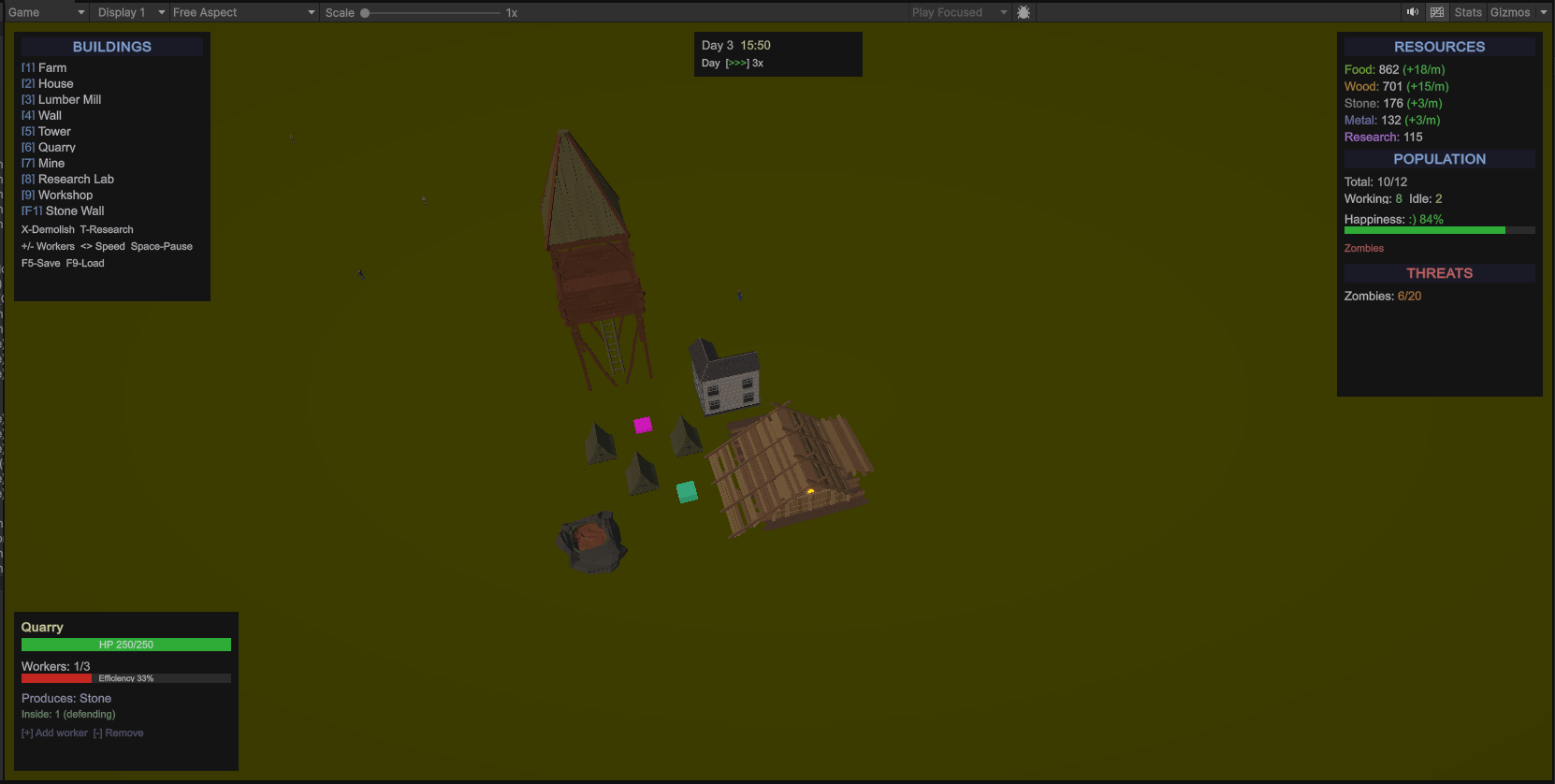
So, it’s been a while. Life happened, motivation ebbed and flowed, and my zombie city-builder sat there patiently judging me from my second monitor. But I’m happy to report that over the last month or so, I’ve been absolutely in it — and Safe Zone has made a huge leap forward into what I’m calling Phase 2.
Buckle up, this is a long one.
The Elephant in the Room: I Switched Engines
Yes. I did. I’m not proud of it, but I’m also not not proud of it.
Safe Zone started life in Unreal Engine 5. It would have looked gorgeous, the tooling is incredible, and I spent a genuinely embarrassing amount of time convincing myself I was going to get on with Blueprints. I did not get on with Blueprints. Every time I sat down to build something, I found myself fighting the visual scripting system rather than making a game. For some people, it clicks — for me, it just didn’t, and after enough sessions of untangling spaghetti node graphs instead of actually making progress, I had to be honest with myself.
So I ported to Unity.
Was it the right call? Ask me again if/when the game ships. But what I can say is that from the moment I made the switch, I started building instead of wrestling, and that counts for a lot. C# feels natural, the workflow suits how my brain works, and the momentum since the switch has been real.
Anyway. On to the actual game stuff.
Where We Left Off
Phase 1 wrapped up with a genuinely playable game loop: you could place buildings, assign survivors, fend off zombie hordes, and watch your little settlement either thrive or collapse. It was rough around the edges, but it worked. That felt like a miracle at the time.
Phase 2 is where things get interesting. The goal: more depth, more systems, more reasons to care about your survivors before the zombies eat them.
The Night Got Real
First order of business was fixing the night cycle, because “night” previously meant “slightly darker grey square on a monitor.” Not exactly survival horror vibes.
I added proper moonlight — an independent light source that gives the world that cold, eerie glow at night without making it look like someone just turned the brightness down 10%. Horde spawning also got a rework; zombie groups now emerge from the edges of the map and converge on your settlement rather than just popping into existence like they teleported in from another dimension. Much creepier. Much better.
Survivors Actually Go Inside Now
This one sounds obvious in retrospect. Survivors were… standing around outside at night, getting eaten. Very unheroic. Very fixable.
I implemented a system where survivors enter buildings when they’re working or resting. If they’re assigned to a building, they go in. If it’s time to sleep, they find a house. The upshot: buildings now provide actual protection from zombies rather than just being decorative job locations. Worker assignment logic got a full rewrite, too — previously, workers were “assigned” in a very theoretical sense that didn’t actually translate to real survivors doing real things.
The Research System
This is the big one. Phase 2 introduces a full research tree, and with it, five new buildings:
- Research Lab – where the magic happens
- Plus four more specialised structures that unlock as you progress
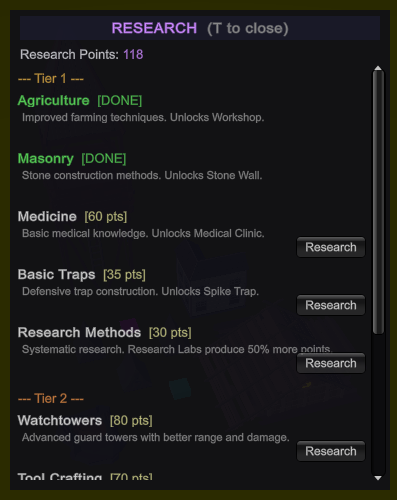
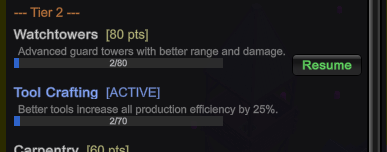

The research system lets your survivors accumulate knowledge points and spend them on techs that improve your settlement. Here’s where I made a mistake that took embarrassingly long to debug: research was auto-completing. You’d queue up a tech, blink, and it was done. Turns out I had the completion logic firing immediately instead of waiting for the player to actually choose. When you spend half an hour wondering why your research feels weirdly frictionless, it’s usually because there is no friction. Fixed now — you have to actually pick each tech, and it actually costs points.
Similarly, zombie AI was getting stuck in a stalemate at buildings — just standing there looking threatening but not actually threatening. Got that sorted too.
A Proper HUD
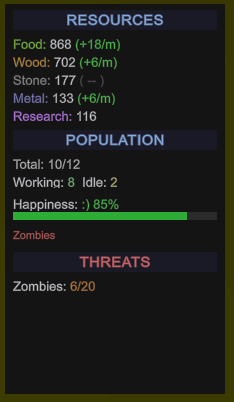
The game UI has been bugging me since Phase 1. I finally sat down and rebuilt the GameHUD from scratch — better resource display, live production/consumption rates (so you can see you’re burning through food faster than you’re making it before it becomes a crisis), and a proper notification system so the game can actually tell you things like “a horde is approaching” rather than just ambushing you silently.
The Minimap (My Favourite Thing This Month)
I am unreasonably proud of the minimap. It has three tiers:
- No Signal – You haven’t built a Guard Tower yet. The minimap panel exists but shows nothing. Go build a tower.
- Unmanned – You have a Guard Tower but nobody’s working it. Basic map visibility.
- Fully Manned – A survivor is stationed in the tower. Full minimap with entity tracking, and you can click it to move the camera.
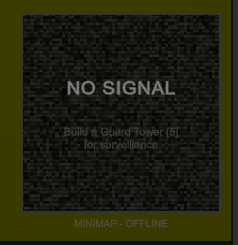
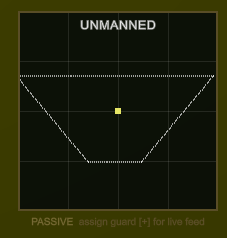
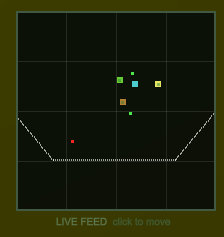
Tying the minimap functionality to the Guard Tower was one of those design decisions that just feels right — it gives the tower a meaningful purpose beyond “thing that shoots zombies,” and it creates a natural progression that rewards the player for staffing it.
Save/Load (Still My Nemesis, But Less So)
The save system got another round of updates. It’s in a much better place now. I won’t say it’s perfect because the moment I say that something will break, but it’s solid.
What’s Next
The research tree is in, but the really juicy techs are still ahead — things that meaningfully change how your settlement operates. I also want to revisit survivor behaviour, zombie variants, and keep pushing on the horde system to make the late-game feel genuinely threatening rather than just busier.
The game is starting to feel like a game rather than a tech demo, which is the best feeling in this whole process.
More soon. Probably.
Be First to Comment